
7 AKITA FACTS EVERY DOG LOVER SHOULD KNOW!
- LittleGreen

- Jun 10, 2018
- 3 min read
Updated: Jun 17, 2018
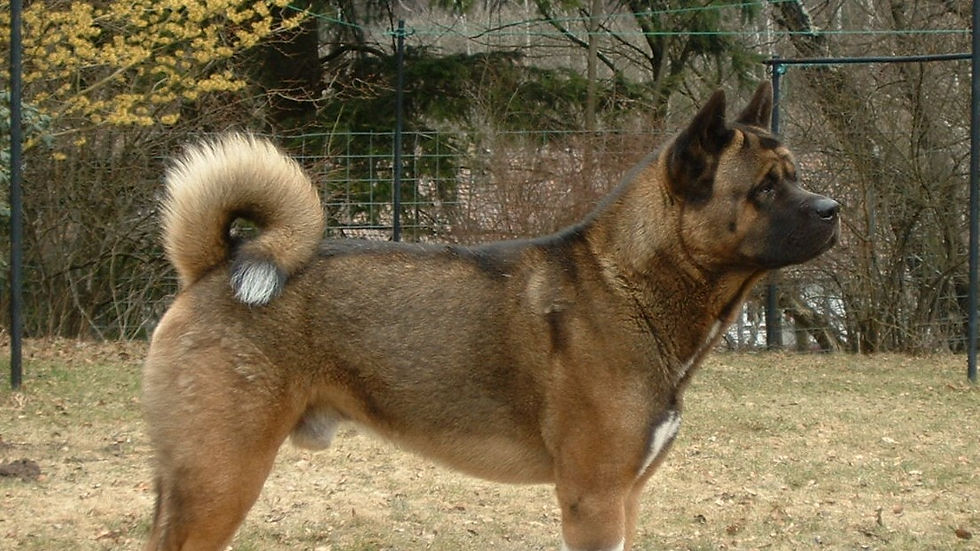
The Akita is well known in the breeds home country of Japan, and is rapidly gaining popularity worldwide. Unfortunately this means more Akita's ending up in kennels. Adopt a Akita, you wont regret it! Learn more about the fluffy giants below.

1. THEY ARE NAMED AFTER A REGION IN JAPAN.
Akita's have been around for thousands of years, so their exact origins are murky at best. What we do know is that the contemporary Akita Inu was first bred in the Odate region of Japan's Akita prefecture. The dogs, originally known as "snow country dogs," were first used to track game during hunts. By the mid 1800's as a response to a population boom in rural areas their role had expanded to include the protection of family homes. They were originally called Odate dogs, until their name was officially changed in the 1930's.
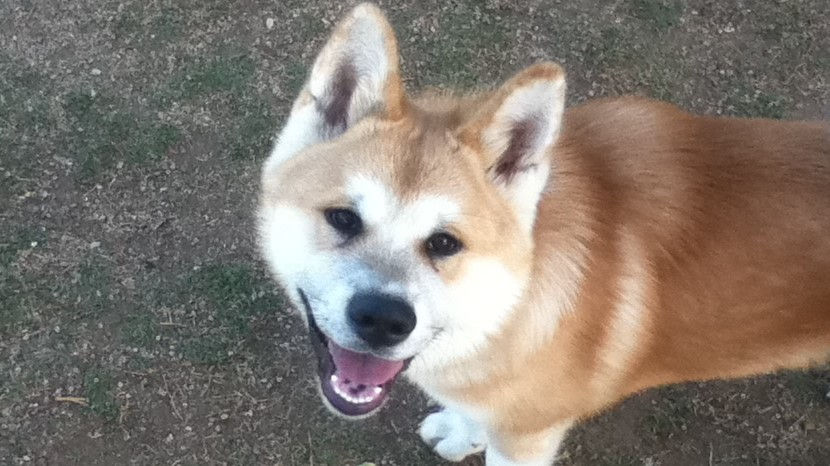
2. THEY HAVE A MASSIVE PRESENCE IN JAPANESE CULTURE.
In Japan, the Akita symbolizes good health, happiness, and longevity. Often the Japanese will gift a small Akita-shaped statue to friends and family as a "Get Well Soon" token, or if someone has just had a baby. The statue is considered a way to tell loved ones that you wish them good health in the future.
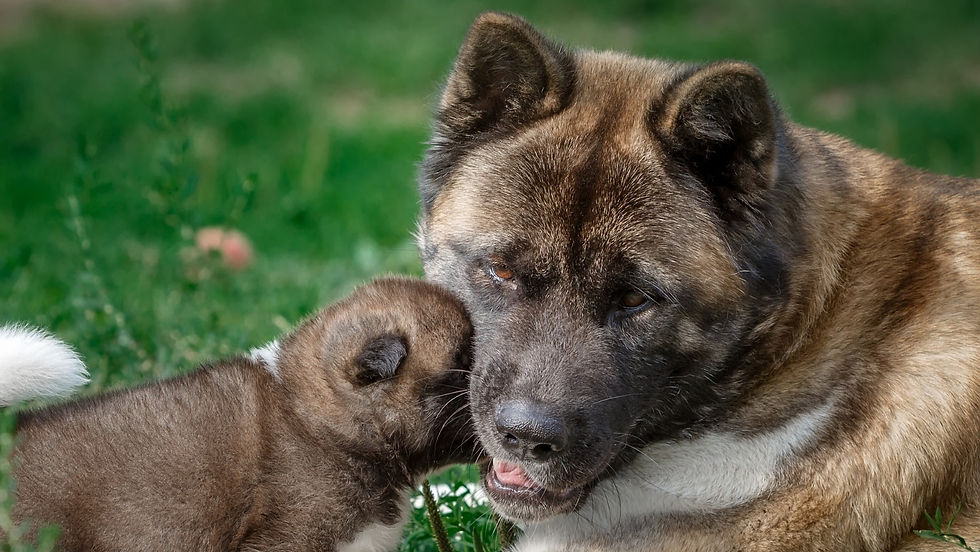
3. THE WEALTHY HELD A TEMPORARY MONOPOLY ON THEM.
Around the 17th century, the Akita was a huge status symbol for someone. Breed ownership was restricted to the Japanese aristocracy. The animals led lavish lifestyles with elaborate feeding rituals and fancy collars, and special leads denoted the owner’s rank and stature on the Japanese social ladder. The pampered dogs were used to hunt, alongside falcons, for boar, deer, and other large game. Some owners even hired special caretakers, who were sometimes tasked with the care of just one dog. By the 19th century, Emperor Taisho had changed the law so that any citizen could own a Akita.
11. WORLD WAR II ALMOST WIPED THEM OUT.
4. WORLD WAR II ALMOST WIPED THEM OUT.
Times were tough for all Japanese dogs during the war. By 1943, Japan was hit with strict rationing, and many pet owners couldn't afford to feed and care for their large dogs. Eventually, the streets were cleared of any animals that weren’t German shepherds being used as guard dogs. In an effort to save the Akita, devoted breeders gave their dogs German-sounding names and hid them in remote villages, hoping they could ride out the rest of the war without attracting notice.
Not even Hachiko’s statue was safe, the bronze figure was melted down to be used for weapons. Don’t worry, a new one replaced it in 1948 :)
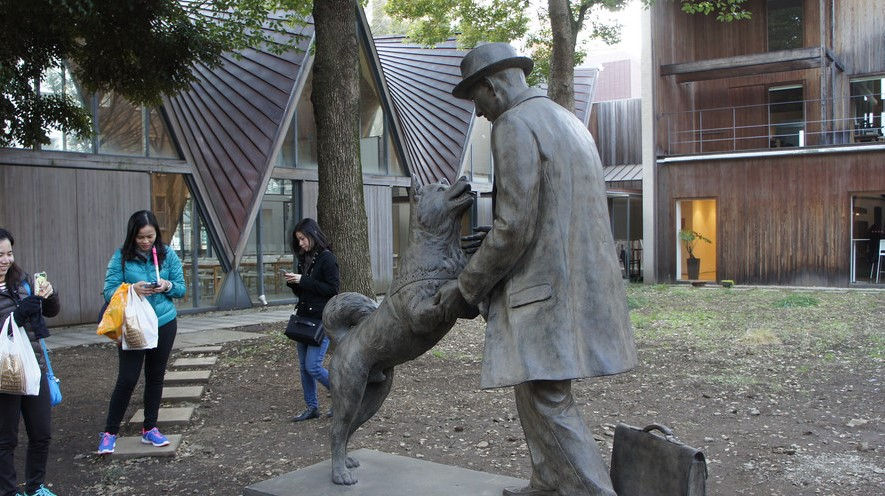
5. HACHIKO IS THE MOST FAMOUS AKITA.
I hope if your reading this you know the story of Hachiko, Japan’s most famous dog. Hachiko’s tale started in 1920's Tokyo, where he would accompany his owner on his walk to the train station. Every day, Hachiko would patiently wait on the platform for his owner to get home from work, and then walk home with him. This routine went on until 1925, when his owner died at the office. Although Hachiko’s owner never returned to the train station platform, the pup waited there every single day, for 10 long years. The canine’s extreme loyalty struck a chord with the Japanese people, who would feed and visit the dog while he waited at his post.
The entire country mourned the dog when he finally died in 1935; a bronze statue was erected in his memory.
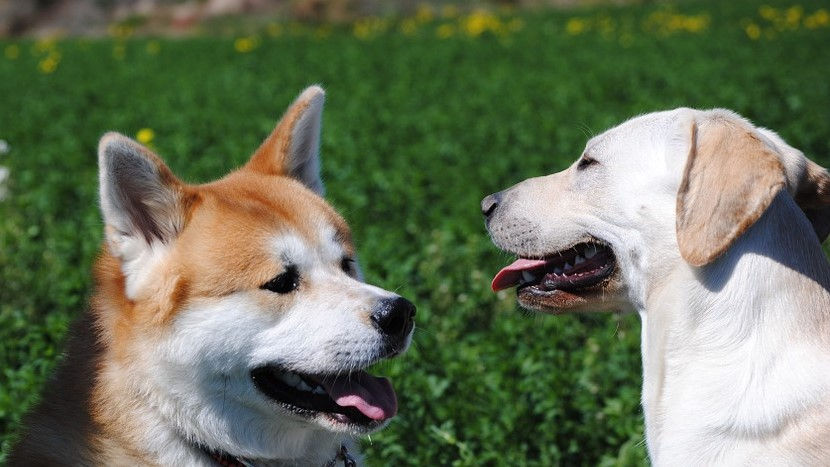
6. THEY ARE VERY CLEAN.
Just like the Shiba Inu, these dogs are clean to the point of being finicky. The dogs self-groom and have an almost cat-like obsession with cleanliness. Their coat sheds twice a year, so be prepared for a whole heap of fur, this is because Akita is surrounded by mountains, which results in cold, harsh winters and rainy summers. The rocky and cold environment is hard for most living things, but Akita's manage to thrive in it. Their heavy double coats keep them warm!
7. THEY ARE STILL USED FOR DOG FIGHTING.
Unfortunately, dog fighting continues to be popular in Japan. Although it's illegal in major cities like Tokyo, rural areas continue to host fights. In the early 20th century, Akitas were crossed with a variety of tough breeds like the Mastiff, Great Dane, and St. Bernard in an effort to bulk them up for the fighting pits. Akita's mixed with Tosa dogs were common (Tosa's for their stamina and Akita's for their strength) and were called Shin-Akita's, or “improved Akita's.” That said, unlike in other countries, dog fighting in Japan is not a fight to the death. The dogs are outfitted in elaborate get-ups, and fights are broken up before either dog is mortally wounded. (still unacceptable if you ask me)
Help Us Help Akita's! Get in Touch;
Littlegreenrescue@gmail.com



Comments